This is the first webinar in our three-part Quit Journeys Series.
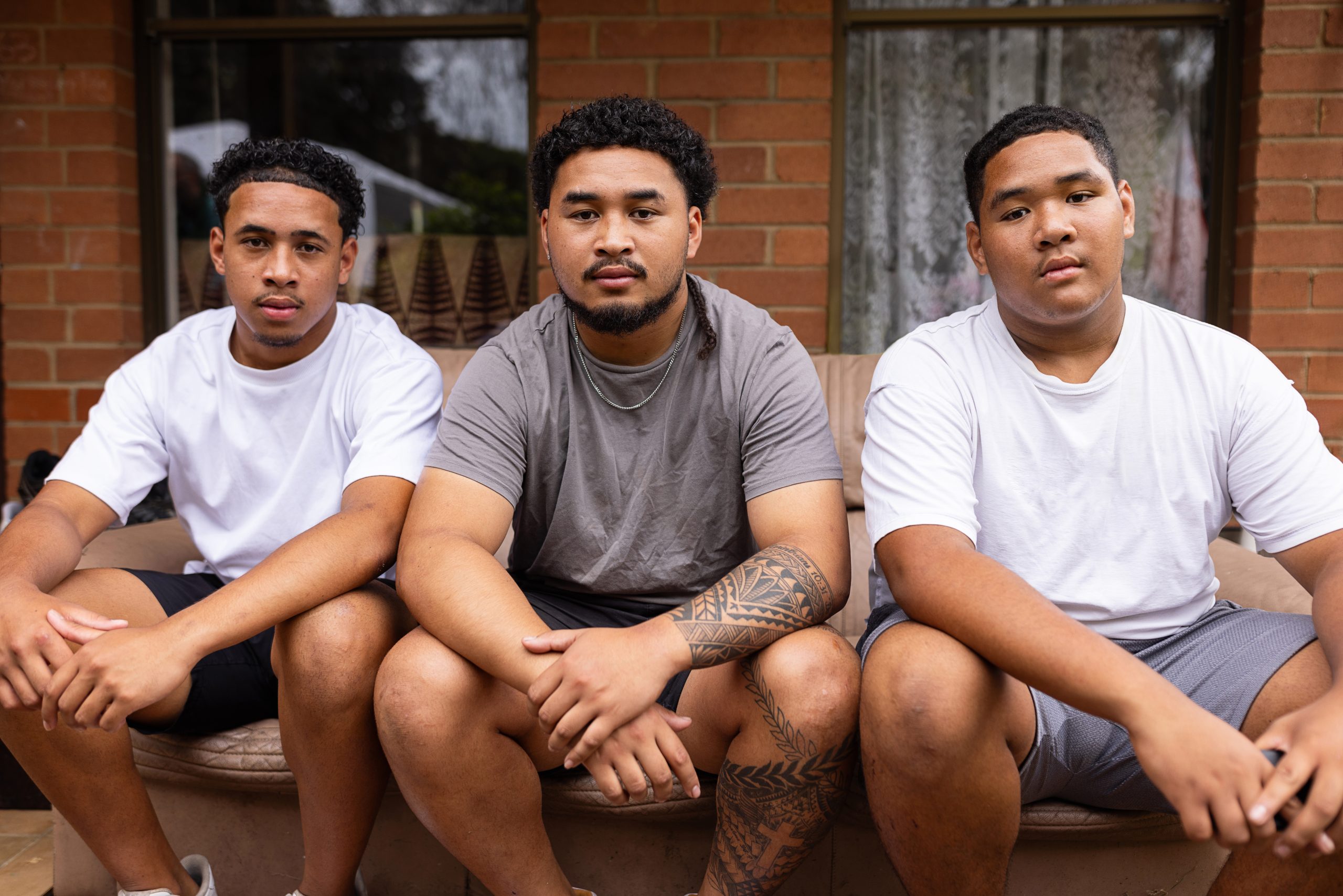
Join us for a powerful conversation featuring three brothers who share their lived experiences with mental health, grief, and tobacco use. In this candid discussion, two brothers reflect on their journeys to quit tobacco while the third shares his current experience as someone who is still smoking.
Together, they offer insight into the personal, family, and community impacts of tobacco use. The session will also address common myths about tobacco and nicotine replacement therapy (NRT), while highlighting practical resources and supports available to individuals, families, and communities seeking to reduce or quit tobacco use.
For professionals supporting individuals on their quit journeys, this conversation will provide valuable insight into the family and social dynamics that can facilitate or hinder tobacco-free recovery.
Learning Objectives
By the end of this webinar, participants will be able to:
- Dispel common myths related to addressing tobacco use for people with mental health and substance use challenges
- Describe the barriers, challenges, and opportunities families experience with supporting loved ones during their tobacco use quit journey
- Identify resources available for families to use to support their loved ones with addressing tobacco and nicotine use
Intended Audience
This webinar is designed for families, caregivers, peers, and professionals who support individuals who use tobacco, particularly those experiencing mental health or substance use challenges. While the webinar centers the experiences of families and loved ones, anyone interested in learning more about supporting tobacco-free recovery is welcome to attend.
We especially encourage participation from:
- Families and caregivers of individuals with mental health and substance use conditions
- Family peer specialists and peer support workers
- Mental health and substance use disorder practitioners and supportive service staff
- Community-based organizations and recovery support providers
- Public health and behavioral health professionals interested in tobacco use treatment and recovery support